
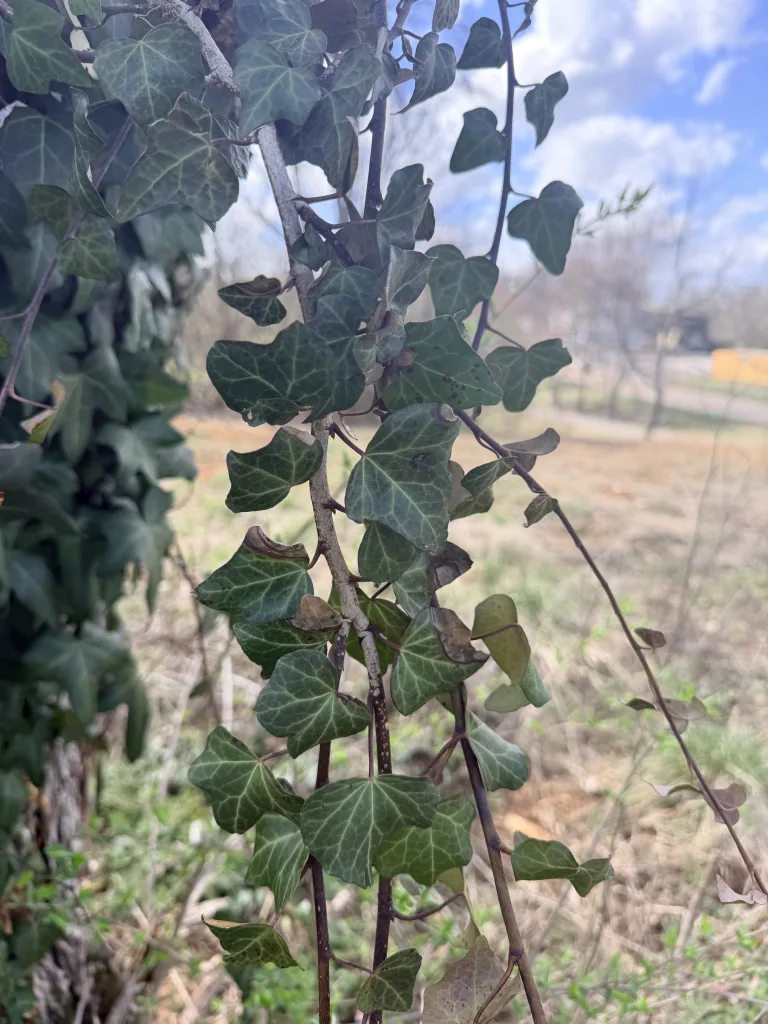
For many gardeners, English ivy is just a hardy climbing plant that covers fences, walls, and shady corners of the yard. But long before modern detergents filled supermarket shelves, people discovered that this common vine could also be used as a natural cleanser. With a bit of prep, ivy leaves can be transformed into a gentle, foaming liquid soap for household cleaning and laundry. Before diving into the process, it’s important to understand both the history behind ivy soap and the precautions needed when working with the plant.
A Brief History of Ivy as Soap
English ivy (Hedera helix) contains naturally occurring compounds called saponins. These plant chemicals create a mild lather when mixed with water, much like soap. Because of this, people in parts of Europe historically used ivy leaves as a cleaning agent for clothing and linen.
In rural communities, especially where commercial soap was expensive or scarce, ivy was sometimes simmered in water to create a natural washing liquid. This homemade cleanser became a practical solution for laundry, scrubbing floors, or washing tools.
Fun Fact: foaming action of ivy’s natural saponins is conceptually similar to the chemistry behind commercial soaps such as Ivory Soap, first introduced in 1879 by Procter & Gamble. While Ivory Soap is produced through a controlled chemical process called saponification (combining fats with lye) the name itself often leads people to assume a connection with ivy-based soap. In reality, the link is mostly linguistic coincidence: ivy and Ivory sound similar, but they come from entirely different origins. Still, both share a focus on cleanliness and the chemistry of foam.
Important Safety Disclaimer
Before making or using ivy soap, keep the following in mind:
• English ivy can be irritating or mildly toxic.
• The leaves contain compounds that may cause skin irritation, rashes, or allergic reactions in some individuals.
• The plant is poisonous if ingested, especially for children and pets.
• Always wear gloves when harvesting and handling ivy.
• Use ivy soap primarily for laundry or household cleaning, not as a personal body soap unless you’ve tested it safely and know you’re not sensitive.
If you have sensitive skin or known plant allergies, it’s best to avoid using ivy soap directly on your skin.
I
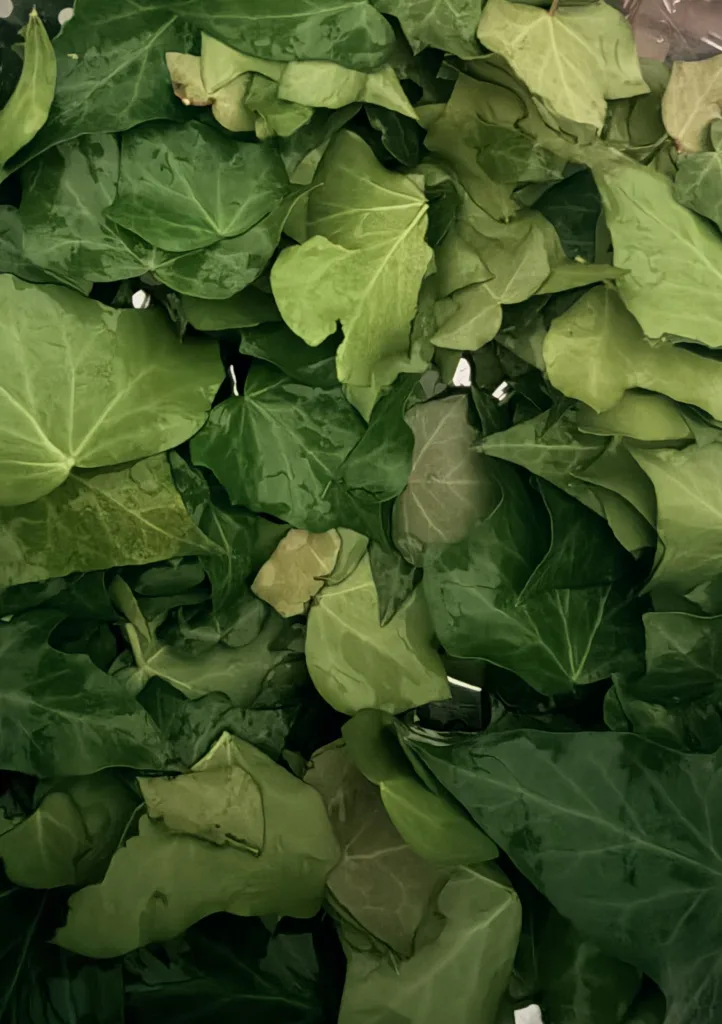
To make ivy soap, you’ll need fresh leaves.
What to look for:
• Healthy green English ivy leaves
• Avoid dusty or chemically treated plants
• Harvest from areas away from roads or pesticides
Amount needed:
About 50–60 medium leaves will produce roughly one quart of ivy soap.
How to Make English Ivy Soap
Ingredients & Supplies
• 50–60 fresh English ivy leaves
• 4 cups water
• Optional: a few drops of lemon or essential oil for scent
• Gloves
• Saucepan
• Strainer or cheesecloth
• Jar or bottle for storage
Instructions
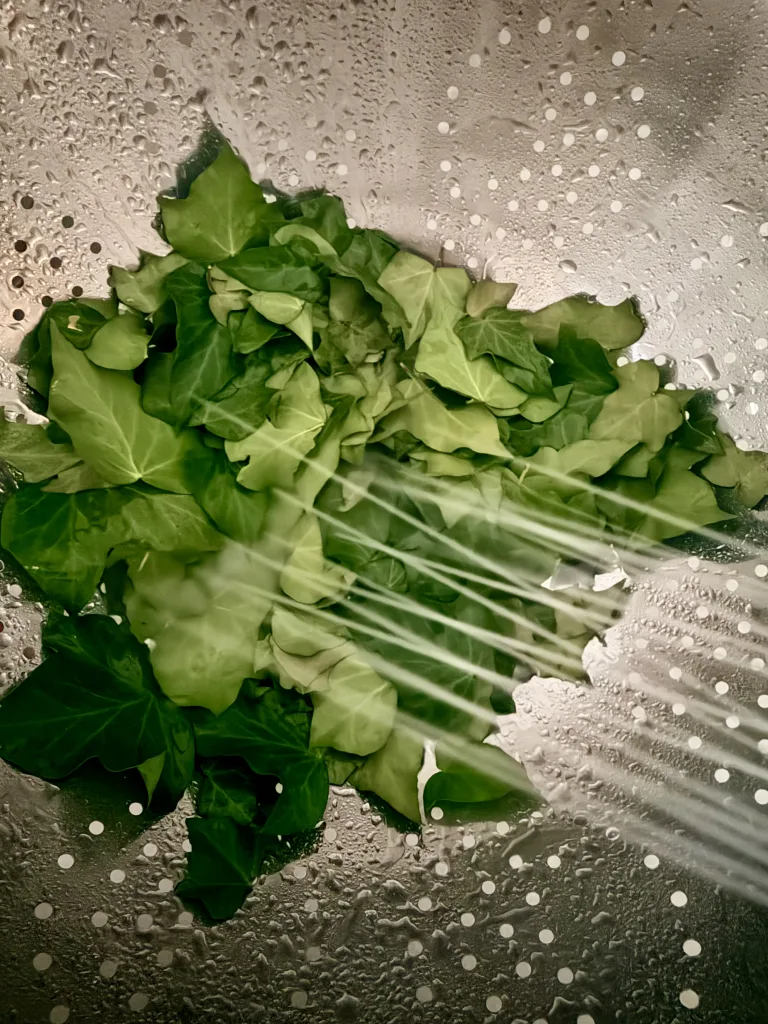
1 Wash the Leaves
: Rinse the ivy thoroughly to remove dirt, insects, or debris.
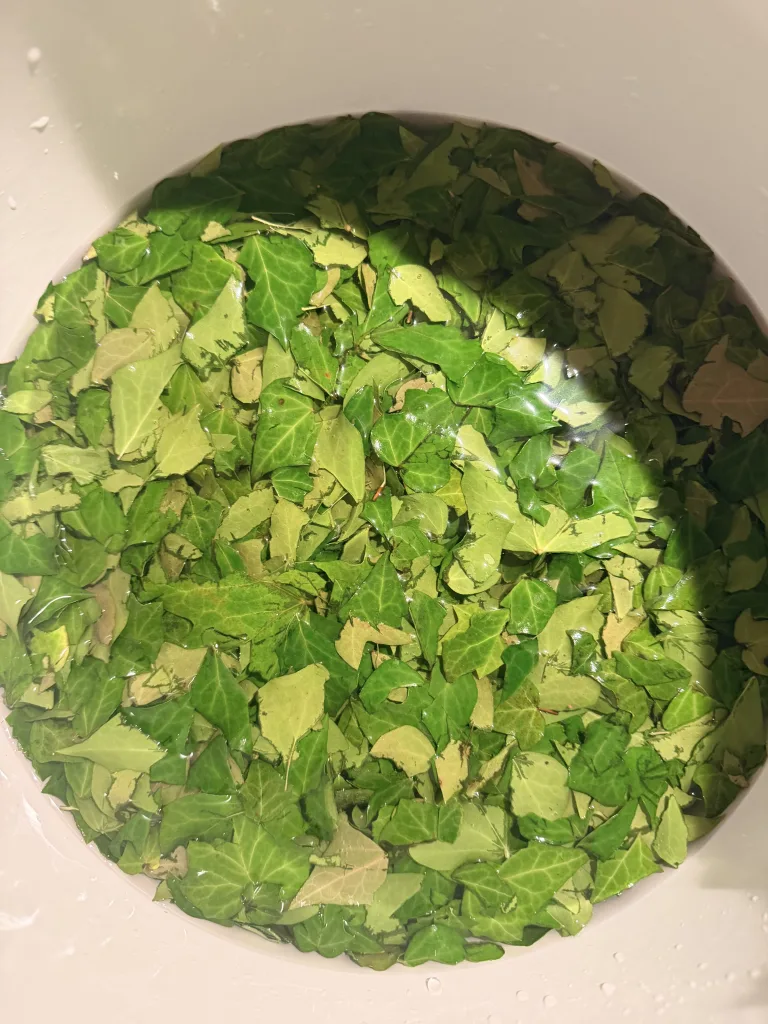
2 Tear or Chop
: Roughly tear or chop the leaves. This helps release the saponins.
3 Simmer:
Place the leaves in a saucepan with 4 cups of water.
Bring to a gentle simmer and cook for 15–20 minutes.
4 Cool and Steep
: Remove from heat and allow the mixture to steep for several hours or overnight.
5 Strain
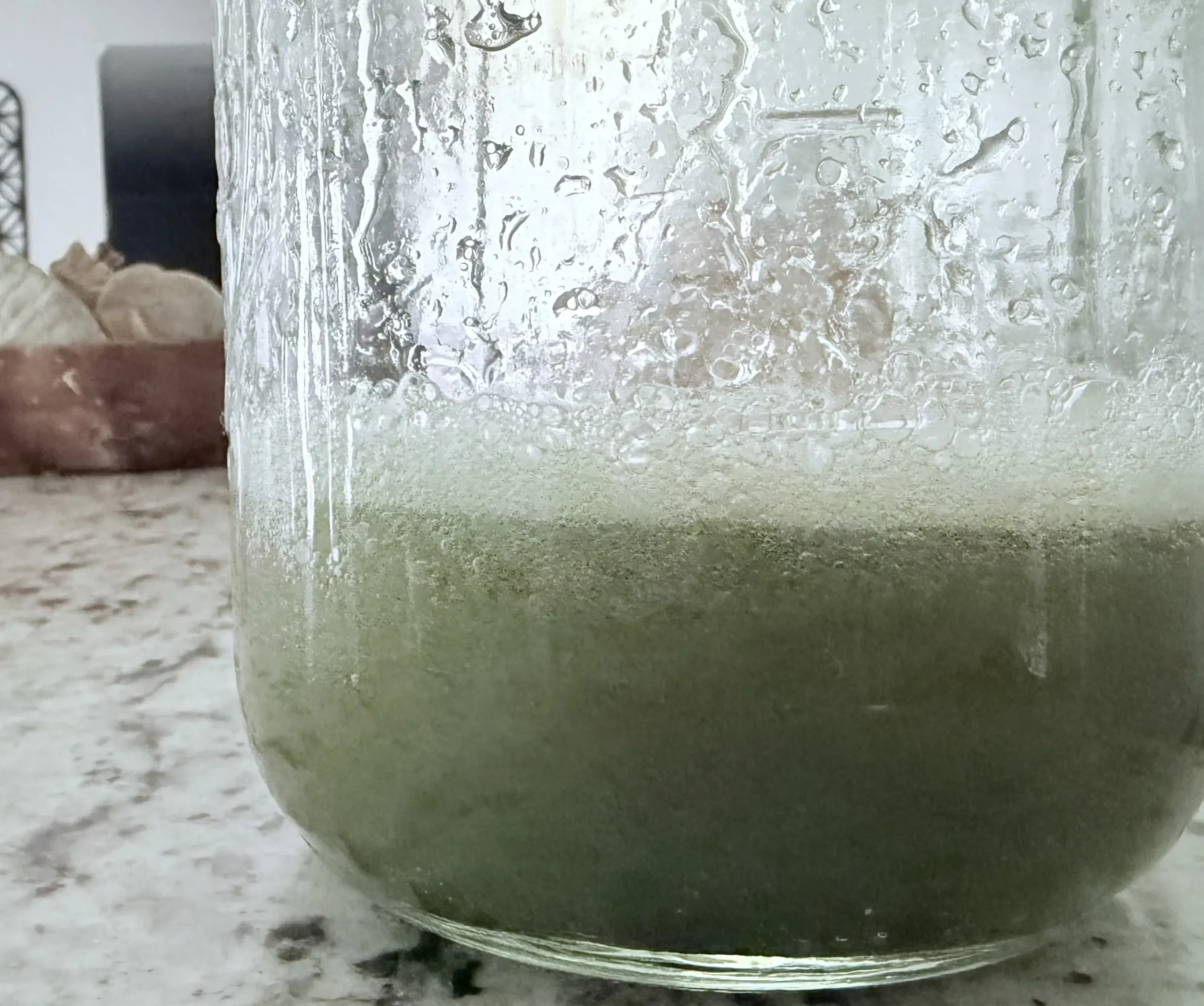
out the leaves using cheesecloth or a fine strainer. The remaining liquid will be slightly green and somewhat slippery.
6 Bottle the Soap
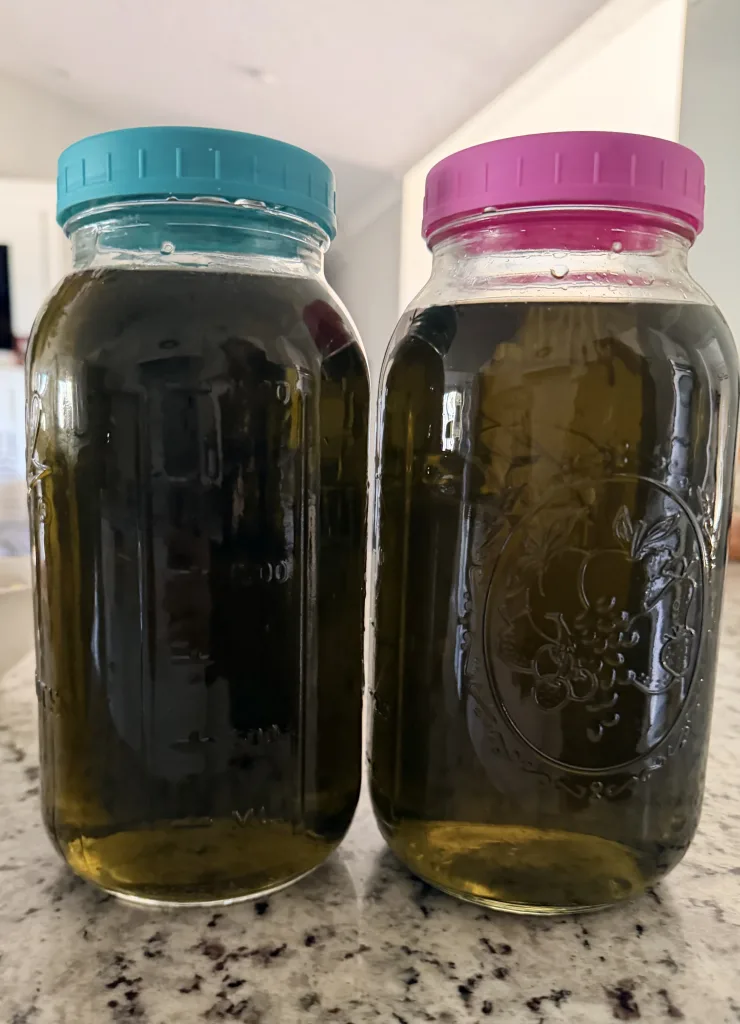
: Pour the liquid into a clean jar or bottle. If desired, add a few drops of essential oil for fragrance.
How to Use Ivy Soap
Ivy soap works best as a mild household cleaner rather than a heavy-duty detergent.
Common uses include:
• Laundry: Add about ½ cup to a small load of lightly soiled clothes.
• Delicate fabrics: Good for handwashing things like scarves, linens, or wool.
• General cleaning: Dilute with water to wipe surfaces or clean tools.
• Plant-friendly cleaning: Because it’s plant-derived, many gardeners like using it for outdoor cleaning tasks.
Keep in mind that ivy soap is much gentler than commercial detergents, so it may not remove heavy stains or grease.
Storage and Shelf Life
Since ivy soap contains no preservatives:
• Store it in the refrigerator if possible.
• Use within a few weeks.
• If it develops an off smell or mold, discard it and make a fresh batch.
A Simple Plant with Surprising Uses
English ivy is often viewed as just a decorative, or sometimes invasive garden plant. Yet its natural saponins make it practical and useful. While it’s not a replacement for modern detergents, ivy soap offers a glimpse into how earlier generations used the resources around them to keep clothes and homes clean.
Just remember: handle the plant carefully, respect its potential to irritate skin, and enjoy experimenting with this small piece of traditional botanical knowledge.
Note: This article is for educational purposes only. Always exercise caution when handling plants that may cause irritation or toxicity.