
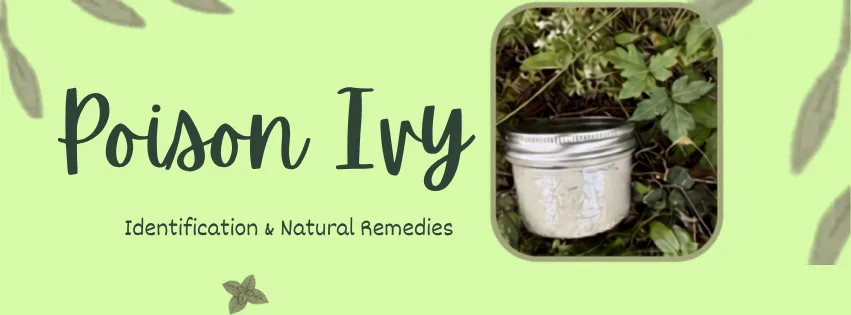
If you’ve ever been on a hike with me, there are two things you should know.
| 1. I can spot poison ivy from a mile away. 2. I will probably get poison ivy anyway. |
I don’t know how it happens. I can point it out to my entire BU group. I can explain exactly what it looks like. I can avoid it all day long. And somehow, by the time I get home, it’s on my arm, my leg, and my face. At this point, poison ivy and I have a long-standing relationship. I don’t like it AND it doesn’t care.
Since summer is officially here and many of us are spending our days hiking trails, exploring creeks, camping, and adventuring outdoors, let’s talk about what it is, how to avoid it, and what to do if you get it!
Meet the Poison Ivy
Poison ivy is native to much of the United States and can grow as a vine, shrub, or ground cover. It’s famous for causing itchy, blistering rashes thanks to an oily substance called urushiol. Fun fact: it doesn’t take much urushiol to ruin your week. Less fun fact: it can stick around on clothing, shoes, backpacks, tools, dog fur, and anything else that touches it.
| “It doesn’t take much urushiol to ruin your week.” |
Leaves of Three, Let It Be
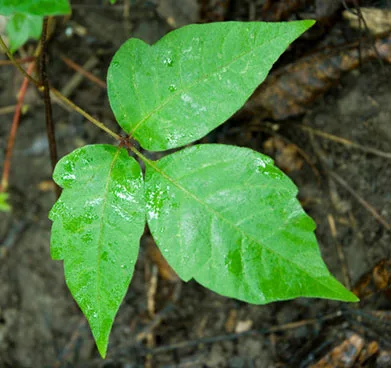
The old saying exists for a reason. Poison ivy usually grows in clusters of three leaflets, “leaves of three, let it be.” The leaves can be shiny or dull, smooth or slightly toothed, and can range from bright green to reddish depending on the season. Unfortunately, poison ivy enjoys changing its appearance just enough to keep things interesting. Sometimes it looks obvious. Sometimes it looks like every other vine in the woods.
How to Avoid It
The best strategy is simple: Learn what it looks like and keep your distance. When hiking with Barefooters, I like to turn poison ivy identification into a game. Kids are surprisingly good at spotting it once they know what to look for. Long pants can help. Closed-toe shoes can help. But paying attention to your surroundings helps most of all.
What If You Touch It?
First, don’t panic. The rash itself isn’t contagious. You can’t spread poison ivy from one blister to another person. The problem is the oil. If you think you’ve come into contact with poison ivy, wash your skin with soap and cool water (preferably a grease-cutting soap) as soon as possible. Wash clothing, shoes, backpacks, gardening gloves, and anything else that may have touched the plant. Think of it like having cooking grease on your skin, and what it would take to get that off; that is what you need to be washing for.
| Pro Tip: The oil can remain active on surfaces for a surprisingly long time. Wash everything that touched the plant! |
My Favorite Poison Ivy Paste
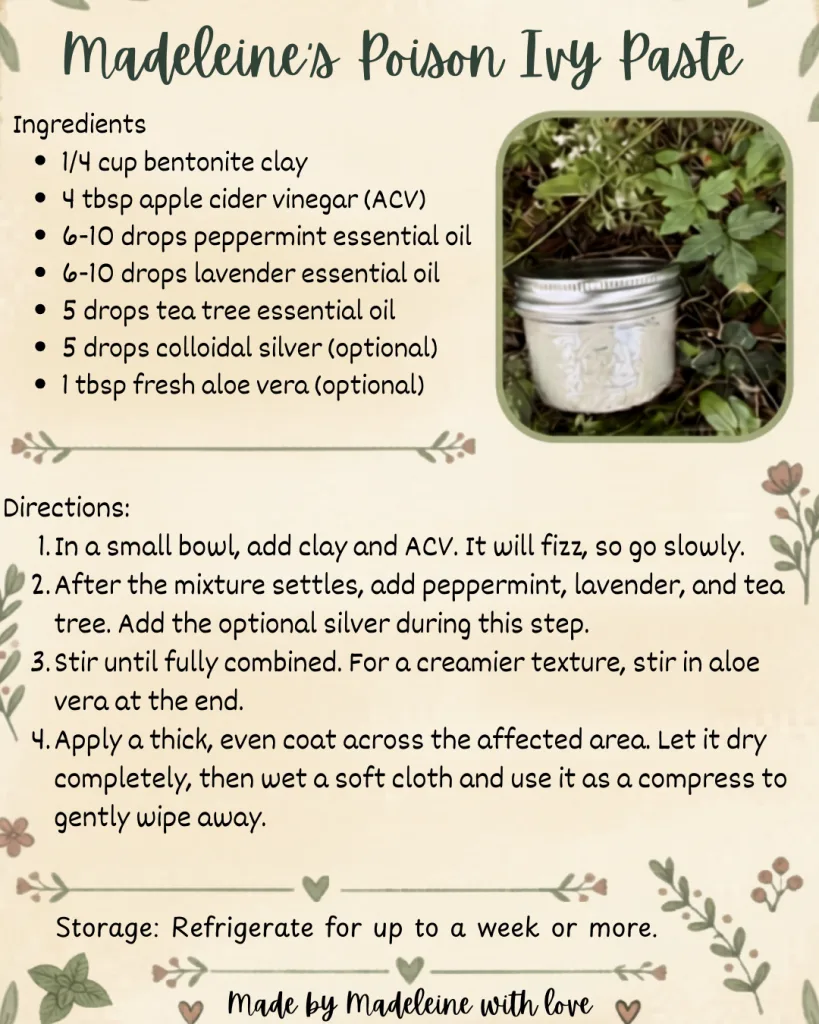
After years of field testing, I’ve developed a favorite homemade poison ivy paste that I keep on hand during the summer months. It keeps in the fridge for a couple of weeks, and if it dries out, all you need to do is add a little ACV and it reactivates. It’s simple, soothing, and has become a staple in our house. Plus, it actually WORKS!!!!
A Barefoot Reminder
Poison ivy is part of outdoor exploration. So are mosquito bites, muddy shoes, snakes, and scraped knees. The goal isn’t to avoid every uncomfortable thing nature throws our way. The goal is to learn, adapt, and become more confident outdoors. Risk play is such an important reminder that everything we do as homeschool parents matters. The more time they spend outside, the more they learn how to navigate the world around us.
Happy hiking, Barefoot families.
And may the poison ivy stay far, far away from your face and mine.
–Madeleine